
Does Home Insurance Cover Winter Roof Damage?
Living in Ottawa means preparing for unpredictable and often harsh winter weather. Between heavy snowfall, freezing rain, and rapid temperature drops, your home is put to the test every single year. One of the most stressful experiences a homeowner can face during these cold months is discovering a leak spreading across the ceiling.
When winter weather causes unexpected damage to your property, it naturally leads to immediate panic about repair costs. Many homeowners find themselves wondering if their standard insurance policy will foot the bill for seasonal weather damage. Navigating the world of insurance policies, deductibles, and claim requirements can be overwhelming, especially when you are actively trying to protect your living space from further water intrusion.
Understanding what is typically covered, what causes winter-related leaks in the first place, and how to properly document the situation can save you significant time, money, and frustration. In this post, we will explore how insurance companies view winter storm damage, the common causes of cold-weather roof failures, and the steps you can take to protect your home and your wallet.
The Most Common Causes of Winter Roof Damage
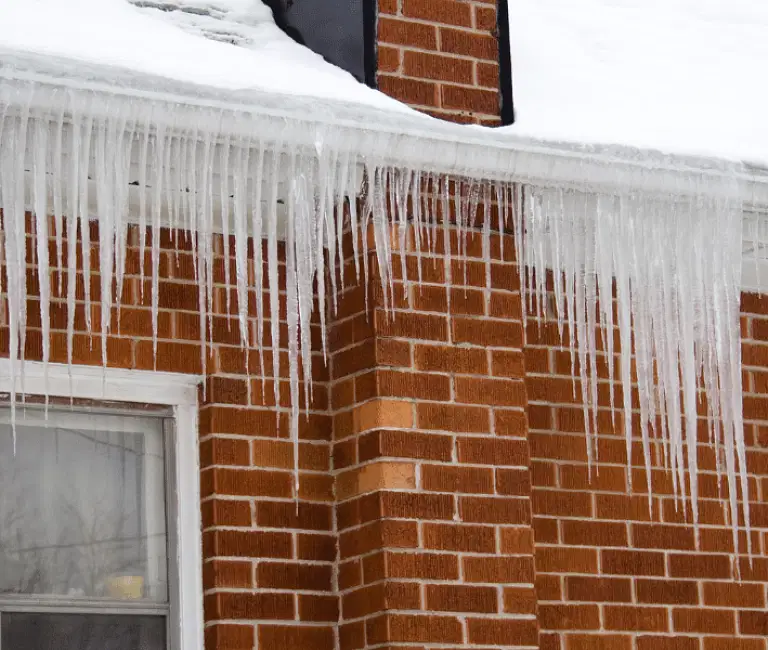
Before diving into insurance specifics, it helps to understand exactly what causes your roof to fail during the colder months. Heavy snowfall can certainly put immense weight on your home's structural framing, but the most frequent culprit behind winter leaks is a phenomenon known as an ice dam.
Ice dams occur when heat escapes from your home into the attic, melting the snow sitting on the upper portion of your roof. As this water runs down toward the edges of the roof where the surface is much colder, it refreezes. Over time, this creates a solid ridge of ice near the eavestroughs. As more snow melts, the water backs up behind this ice barrier, seeping under the shingles and eventually finding its way into your ceilings and walls.
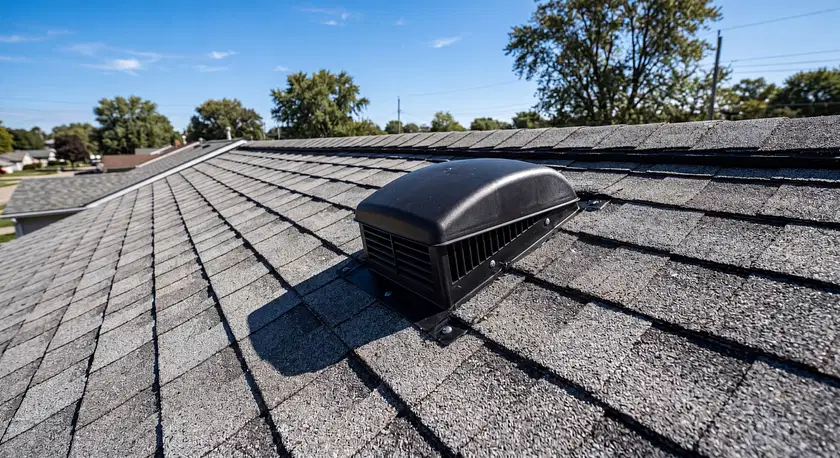
Preventing this cycle is heavily reliant on regulating the temperature under your roof. Proper attic ventilation installation ensures that cold air continuously flows under the roof deck, preventing the unnatural melting that creates ice dams. Not only does this protect your structural framing and drywall, but keeping your attic at an optimal temperature can also help reduce your hydro bills by improving your home's overall energy efficiency.
Does Homeowners Insurance Cover Ice Dam Damage?
The short answer is: usually, yes. Standard home insurance policies typically cover sudden and accidental damage caused by heavy snow, windstorms, and ice dams. If an ice dam causes water to leak into your living room, staining the drywall and ruining the hardwood floors, your insurance will generally cover the interior repairs.
However, there is a very important distinction to keep in mind. While the insurance company will likely pay to repair the interior water damage, they often will not pay to repair the roof itself if the damage was caused by pre-existing wear and tear or neglected maintenance. Insurance is designed to cover sudden, unavoidable emergencies, not gradual deterioration.
This is the leading factor in preventing ice dam insurance claim denials. If an insurance adjuster inspects the property and determines that the roof was already well past its lifespan, or that obvious ventilation issues were ignored for years, they may deny the claim, leaving you entirely responsible for the costs. Maintaining your home and keeping your roofing system in excellent condition is your best defense against both water damage and rejected claims.
Filing a Roof Leak Insurance Claim in Winter
Filing a roof leak insurance claim in winter requires acting quickly and safely. As soon as you notice a leak, do what you can to mitigate the damage inside your home by moving furniture, putting down buckets, and laying out towels.
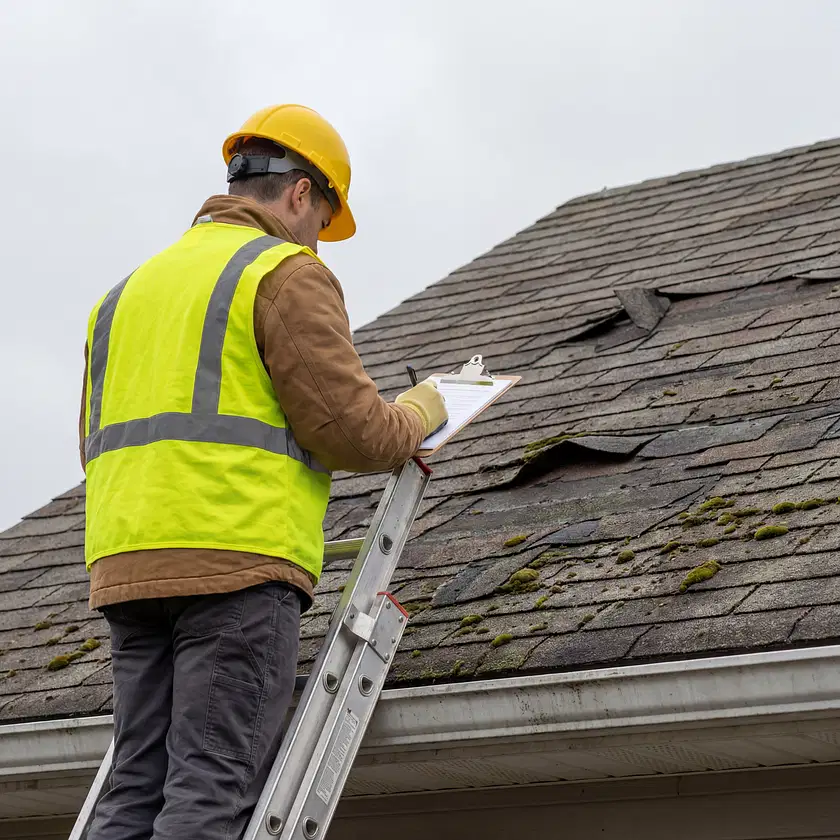
Next, you need to document the damage thoroughly. Take clear photos and videos of the interior damage and, from the safety of the ground, any visible issues on the exterior. Never climb onto a snowy or icy roof yourself.
Before calling your insurance provider to officially file the claim, it is highly recommended to get a professional inspection for insurance. An experienced, licensed contractor will assess the damage safely, provide temporary emergency tarping if needed, and draft a detailed, written report. Having this professional documentation on hand makes the claims process significantly smoother. Furthermore, having an expert on your side ensures that the insurance adjuster doesn't overlook hidden damage in the attic or roof decking.
Protecting Your Home Before the Snow Flies
Because the claims process can be tedious and stressful, preventing the damage in the first place is always the ideal route. At Aquila Roofing and Construction Inc., we have tailored our installation processes specifically to combat extreme local weather conditions and freeze-thaw cycles.
During a roof replacement, we install premium high-temperature ice and water shields in leak-prone areas and along the eaves. This secondary barrier is critical for preventing water penetration when ice inevitably builds up. We also meticulously check intake soffits and vents to ensure your attic breathes properly, stopping ice dams at the source.
When hiring a contractor for these crucial upgrades, vetting their credentials is just as important as the materials they use. High competition and unqualified contractors can make finding a trustworthy partner difficult. We guarantee quality and safety by exclusively employing full-time roofers—never subcontractors. We maintain active WSIB coverage and a $2 million liability insurance policy to protect you and your property. As CertainTeed Shingle Master certified installers, we provide up to a 15-year workmanship warranty, while the materials themselves carry a 50-year non-prorated warranty for defects. Better yet, an owner is on-site for every single project to oversee the work and ensure it meets our strict standards.
Conclusion
Winter weather can be unforgiving, but understanding how your insurance policy works and taking proactive steps to maintain your home can save you from a major financial headache. While insurance will often cover sudden damage from ice dams and heavy snow, staying on top of routine maintenance and proper ventilation is the only true way to guarantee your claim will be approved and your home will stay dry.
If you have concerns about how your home will handle the upcoming winter, or if you are currently dealing with storm damage, Aquila Roofing and Construction Inc. is here to help homeowners across Ottawa. Whether you need a thorough inspection, shingle roof repair, or comprehensive attic ventilation upgrades, our fully insured, owner-supervised team will ensure the job is done right the first time. Contact us today to secure your peace of mind before the next deep freeze.