
Don't Let Winter Win: A Homeowner's Guide to Preventing Ice Dams on Your Ottawa Roof
Every Ottawa homeowner knows the sight: a beautiful blanket of fresh snow followed by the inevitable formation of glistening, and often menacing, icicles along the roofline. While they might look picturesque, these icicles are often a sign of a serious problem brewing overhead: an ice dam. Ice damming is one of the most common and destructive winter issues for homes in our region, leading to water infiltration, damaged insulation, and costly interior repairs.
Fortunately, you don't have to be at the mercy of our harsh winters. Understanding what causes ice dams is the first step toward preventing them. This guide will walk you through the essential strategies to make your roof winter-ready, protecting your home and giving you peace of mind when the snow starts to fall.
What Causes Ice Damming? The Science Behind the Ice
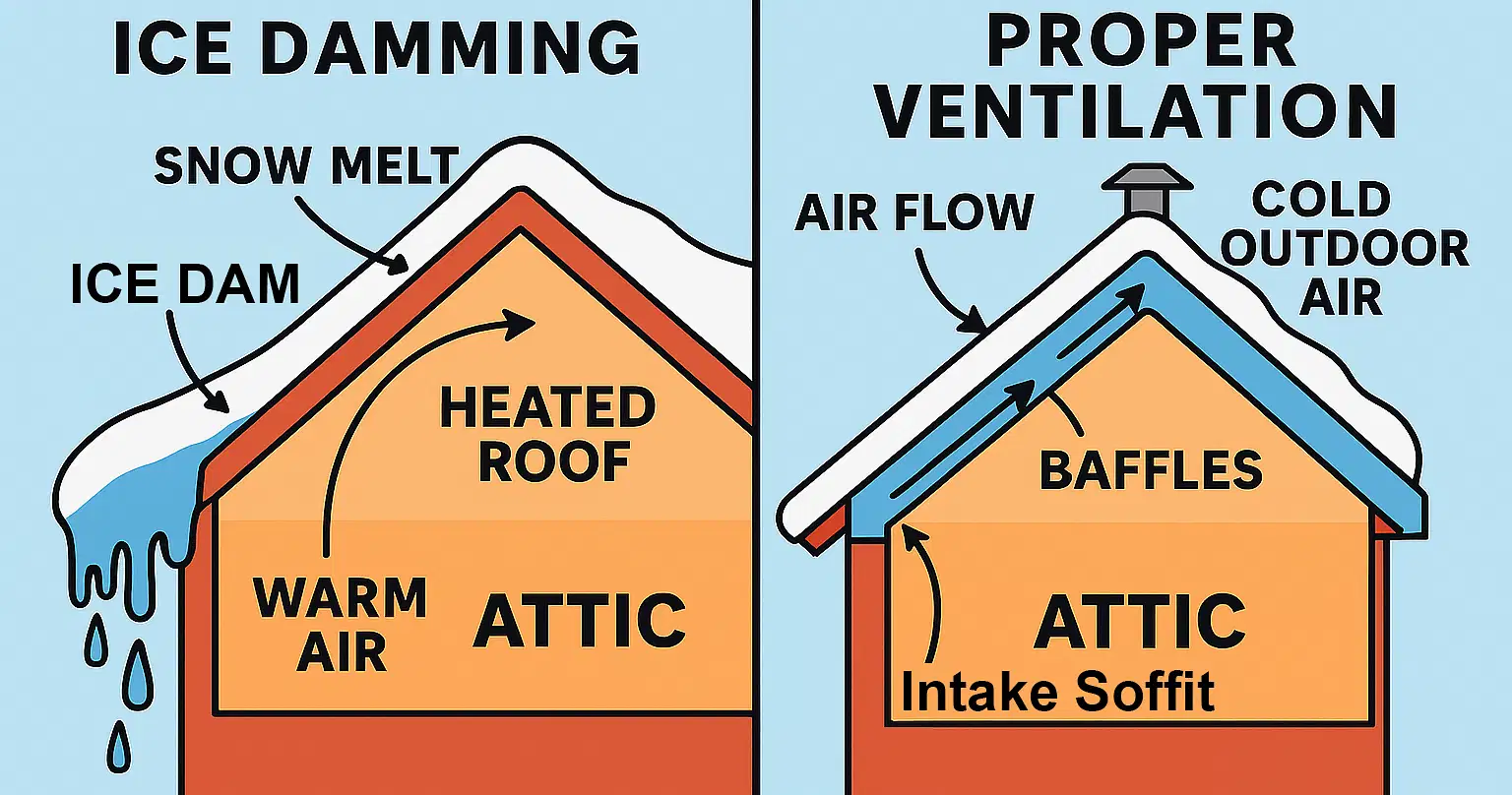
An ice dam is a ridge of ice that forms at the edge of a roof, preventing melting snow (water) from draining off. The problem begins not on your roof, but inside your attic. Here’s the cycle:
- Heat Escapes: Warm air from your living space rises and escapes into the attic.
- Snow Melts: This heat warms the underside of the roof deck, causing the snow on top of the roof to melt, even when the outside temperature is below freezing.
- Water Refreezes: The meltwater runs down the roof surface until it reaches the cold eaves and eavestroughs, which are not warmed by the attic heat. Here, the water refreezes, creating a small ridge of ice.
- The Dam Grows: As the cycle continues, this ridge grows larger, forming a dam. Water pools behind it, and with nowhere else to go, it can back up under your shingles and seep into your home.
This process is especially common in the Ottawa area due to our significant snow load and frequent freeze-thaw cycles. What starts as a small leak can quickly lead to damaged drywall, ruined insulation, and even mold growth—turning a winter wonderland into a homeowner's nightmare.
The First Line of Defense: Proper Attic Ventilation
The most effective way to prevent ice dams is to keep your entire roof surface consistently cold. The key to this is a well-functioning attic ventilation system. A common misconception is that attic insulation alone is enough, but without proper airflow, you're fighting a losing battle.
A balanced ventilation system works by pulling cool, dry air in through vents in the soffits (the underside of your roof's overhang) and pushing warm, moist air out through exhaust vents near the peak of the roof. This constant circulation of air keeps the attic temperature close to the outdoor temperature, preventing the roof deck from warming up and melting the snow on top.
When your ventilation is working correctly, the snow on your roof melts evenly and naturally when the weather warms up. If you've noticed uneven melting patterns or suspect your system isn't performing as it should, it might be time for a professional assessment. An expert can ensure your soffits are clear and your vents are adequate for your home's needs, and a simple attic ventilation repair can make a world of difference in preventing ice dams.
Your Roof's Secret Weapon: The Ice and Water Shield
While ventilation is your primary defense, a properly installed roof needs a secondary layer of protection. This is where an ice and water shield comes in. An ice and water shield is a self-adhering, waterproof membrane that is installed directly onto the roof deck before the shingles are laid down.
At Aquila Roofing, we consider this a critical component for any roof built to withstand Ottawa's climate. We install this membrane along the most vulnerable areas of your roof:
- Eaves: Covering at least the first three to six feet up from the roof's edge.
- Valleys: Where two roof planes meet and channel large amounts of water.
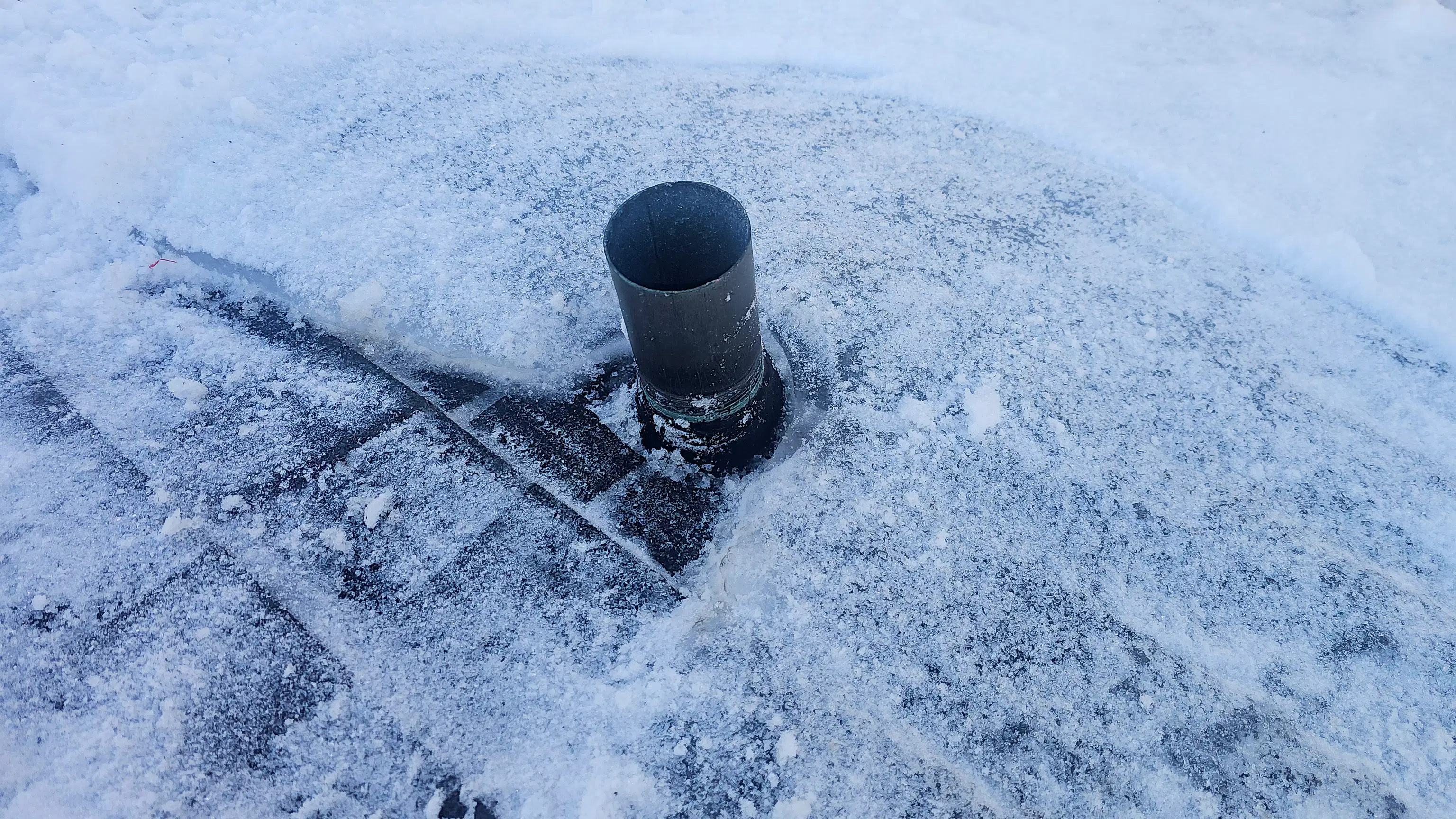
- Penetrations: Around skylights, chimneys, and plumbing vents.
This shield acts as a final barrier. If an ice dam does manage to form and water gets under the shingles, this waterproof layer prevents it from reaching your roof deck and entering your home. It doesn't stop ice dams from forming, but it provides crucial protection against the water damage they cause. If you're already seeing signs of water intrusion, it's vital to schedule a leak inspection to identify the source and prevent further damage.
Proactive Measures for a Winter-Ready Roof
Beyond the structural components of your roof, a few maintenance steps can help you prepare for winter and manage heavy snowfall.
- Clean Your Eavestroughs: Before winter arrives, ensure your eavestroughs are completely clear of leaves and debris. Clogged gutters can't drain melting snow, which accelerates the formation of ice dams.
- Address Insulation Gaps: Ensure your attic floor is well-insulated and that any air leaks from the living space below (like around light fixtures or attic hatches) are sealed. This keeps the warm air where it belongs.
- Know When to Remove Snow: After a particularly heavy snowfall, the sheer weight, or snow load, can pose a risk to your roof's structure. While it can be tempting to do it yourself, using the wrong tools or techniques can easily damage your shingles. For significant accumulation, professional rooftop snow removal is the safest and most effective solution to relieve the stress on your roof.
Protect Your Home This Winter with Aquila Roofing
Ice dams are more than just an inconvenience; they are a serious threat to the integrity of your home. By ensuring you have proper attic ventilation, a high-quality ice and water shield, and a proactive maintenance plan, you can significantly reduce your risk of winter water damage. A winter-ready roof is a system where every component works together to protect your investment.
Don't wait for a leak to tell you there's a problem. If you're concerned about your roof's ability to handle another tough Ottawa winter, contact the experts at Aquila Roofing and Construction Inc. today. We provide comprehensive services, from leak inspections and shingle roof repairs to attic ventilation repair and safe rooftop snow removal, to keep your home safe and dry all season long.