
Your Essential Post-Storm Roof Inspection Checklist for Ottawa Homeowners
The wind has died down, the rain has stopped, and the sun is finally breaking through the clouds. A major storm passing through Ottawa can be a stressful experience, and once it's over, it's natural to wonder if your home came through unscathed. Your roof is your home's first and most important line of defense, bearing the brunt of high winds, driving rain, and hail. But how can you tell if there's a problem?
Ignoring minor storm damage can lead to significant issues down the road, from hidden leaks to compromised structural integrity. That's why conducting a safe and thorough inspection is crucial. This checklist will guide you through what to look for from the safety of the ground and inside your home, helping you identify potential issues before they become costly headaches. We'll walk you through the common signs of damage and explain when it's time to call in a professional for a closer look.
Step 1: Safety First—The Ground-Level Walkaround
Before you do anything else, it's important to prioritize safety. Never climb onto your roof to inspect it yourself, especially after a storm when surfaces can be slippery and unstable. You can spot many of the most common warning signs with your feet planted firmly on the ground.
Start by walking around the entire perimeter of your house. Take your time and look carefully at both your property and the roof itself. Here’s what to keep an eye out for:
- Debris on the Roof: Are there large branches or other debris on your roof? Heavy objects can cause immediate structural damage, while smaller debris can trap moisture and lead to deterioration over time.
- Shingles in Your Yard: Scan your lawn, garden beds, and driveway for any shingles that may have been blown off. Finding even one or two is a clear sign that your roof's protective layer has been breached.
- Check Your Eavestroughs and Downspouts: Look for any dents, bending, or sections that have pulled away from the house. Also, check the ground where your downspouts drain. A large accumulation of black, sand-like granules is a sign that the storm has worn away the protective surface of your shingles, shortening their lifespan.
- Inspect Vents, Flashing, and Siding: Look for any visible damage to roof vents, chimneys, skylights, and the metal flashing that seals these areas. Dents, cracks, or peeling sealant are all red flags. Don't forget to check your siding and windows for signs of impact from hail or flying debris.
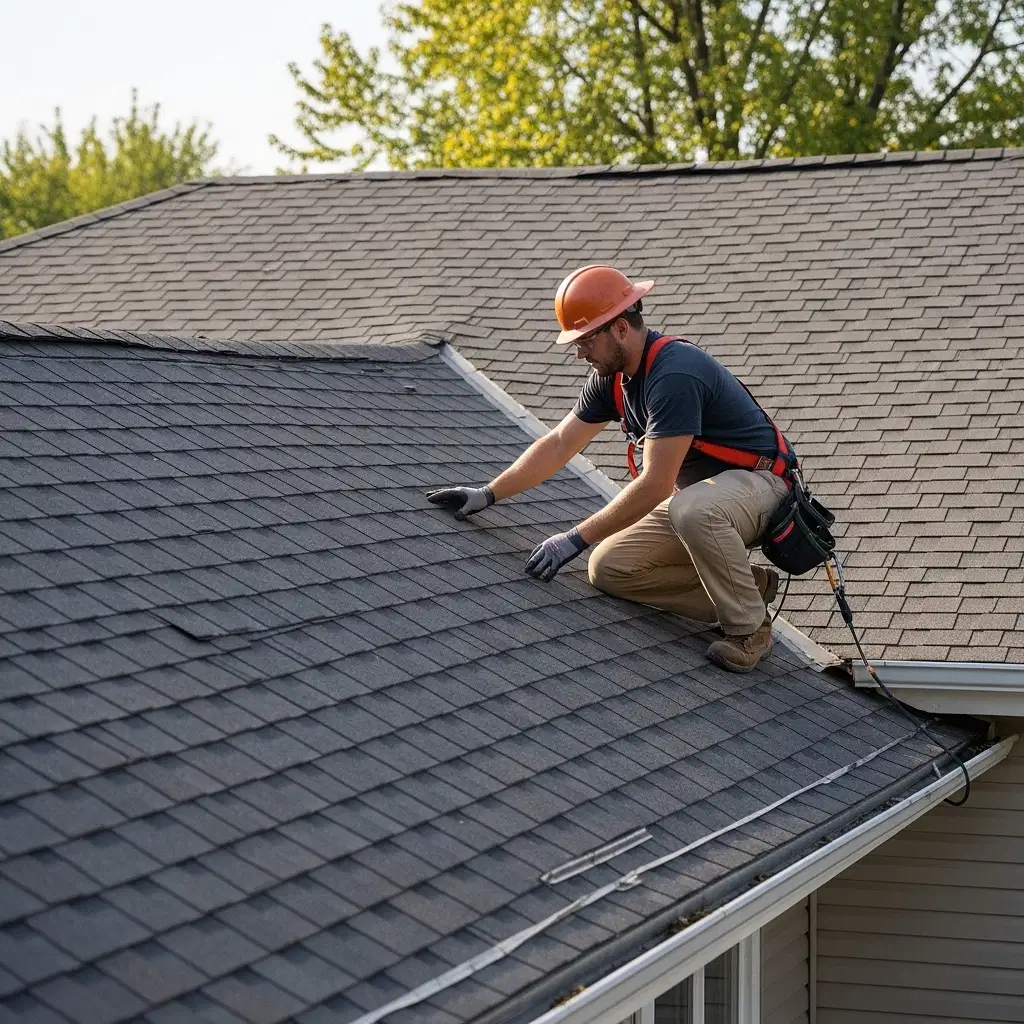
Step 2: Identifying Common Signs of Wind and Hail Damage
Once you've completed your general walkaround, it's time to look for more specific signs of damage. Using a pair of binoculars can help you get a closer look from the ground.
Wind Damage
High winds don't always rip shingles completely off. Often, the damage is more subtle.
- Lifted or Creased Shingles: Wind can get underneath the edge of a shingle and lift it, breaking the adhesive seal that holds it down. This might leave a visible crease or curl. A compromised seal makes your roof vulnerable to water intrusion in the next storm.
- Missing Shingles: The most obvious sign of wind damage is missing shingles, which create exposed patches on your roof. These areas need to be addressed immediately to prevent water from damaging the roof deck underneath.
Hail Damage
Hail can be particularly destructive, and the damage isn't always easy to spot.
- Dents and Pockmarks: Look for dents on your eavestroughs, flashing, and roof vents. If you see damage on these metal surfaces, there's a high probability your shingles have been impacted as well. Hail can create dark bruises or pockmarks on the shingles themselves.
- Cracks and Granule Loss: Severe hail can cause cracks in the shingle mat. It also knocks off the protective granules, exposing the underlying asphalt to UV rays, which causes the shingle to become brittle and fail prematurely.
Whether you have asphalt shingles or a metal roof, identifying these issues early is the key to an effective and affordable shingle roof repair or metal roof repair, preventing the need for a more extensive replacement.
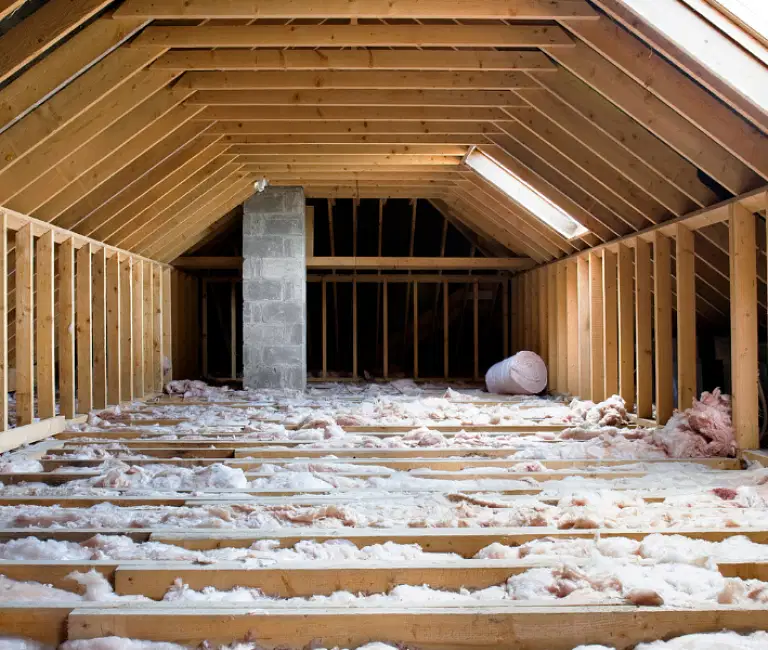
Step 3: Don't Forget to Check Inside Your Home
Not all storm damage is visible from the outside. Water can be sneaky, finding its way into your home through the smallest of openings. An interior check is a critical part of your post-storm inspection.
- Head to the Attic: If you can do so safely, go into your attic with a good flashlight. Look at the underside of the roof deck. Do you see any signs of moisture, dark water stains on the wood, or damp insulation? On a sunny day, you should also look for any pinpricks of light shining through, as this indicates a hole straight through your roof.
- Inspect Ceilings and Walls: Check the ceilings and walls on your top floor. Look for any new, unexplained water spots, discoloration, or peeling paint. Leaks often take time to show up, so be vigilant in the days following a storm.
Discovering a leak can be alarming, but finding it early is the best-case scenario. A professional leak inspection can pinpoint the source of the water and determine the best course of action to protect your home from further damage.
Step 4: When to Call a Professional for Help
This checklist is a great starting point, but some damage can only be identified by a trained professional. If your ground-level inspection reveals any of the warning signs mentioned above, or if you simply want peace of mind, it's time to call for a professional assessment.
A certified roofing contractor has the training and safety equipment to get on your roof for a hands-on evaluation. We can spot subtle signs of hail bruising or compromised seals that are nearly impossible to see from the ground. At Aquila Roofing, our owners are on-site for every project, ensuring a thorough and honest assessment.
Furthermore, if you suspect you'll need to make an insurance claim, a detailed report from a reputable roofer is invaluable. We provide comprehensive documentation, including photos of all findings, which simplifies the claims process. A professional inspection for insurance purposes ensures that all damage is properly identified and recorded, helping you get the coverage you're entitled to.
Don't Wait to Secure Your Home
Your roof is too important to leave to chance. After a storm, a timely inspection can save you from the stress and expense of major repairs down the line. If you've noticed any signs of damage on your Ottawa home or want the assurance of an expert opinion, the team at Aquila Roofing and Construction Inc. is here to help.
Contact us today to schedule a comprehensive post-storm inspection. We provide expert leak inspections, storm damage repairs, and clear, honest advice to help you protect your most valuable investment.